In January we published *Navigating Construction Lending Risks in 2026: Essential Survival Strategies* and released the complimentary 2026 Construction Lending Risk Survival Guide.
The response was overwhelming; hundreds of lenders downloaded the guide and reached out asking the same question:
“We get the risks. Now how do we actually execute verified progress, strict draw discipline, and data-driven oversight without adding headcount or slowing down our pipeline?”
Six months into 2026, the answer is clear: AI is no longer a nice-to-have—it is the operating system that makes survival strategies work at scale.
Traditional manual processes that once felt “safe” are now the biggest source of exposure. A 14-day draw cycle that relied on email chains, inconsistent photos, and after-the-fact reviews is creating the exact blind spots the Survival Guide warned about. The lenders pulling ahead aren’t the ones who simply read the playbook they’re the ones running it on Nitro-ai.
Here’s how forward-thinking institutions are moving from survival to dominance.
1. Verified Progress: From “Trust the Narrative” to Multimodal Proof
The Survival Guide highlighted that traditional inspection-only approaches fall short when progress becomes uncertain.
Nitro-ai’s mobile inspection intelligence changes the game:
- GPS + timestamp + computer-vision validation on every photo.
- Automatic exception flagging and narrative generation when scope, budget, or sequence doesn’t match.
- Real-time structured data instead of subjective reports.
Result? Lenders see actual progress, not just what the GC wants them to see. Inspection-to-report cycle times drop dramatically, and disputes that used to surface at the 80% complete mark are caught at 20%.
2. Strict Draw Discipline: Automated Compliance, Not Manual Heroics
The old model—spreadsheets, missing lien waivers, and unverified invoices—creates the exact fraud vectors that lead the ACFE to rank construction among the costliest industries.
Nitro-ai’s fraud-resilient data fabric and draw orchestration engine:
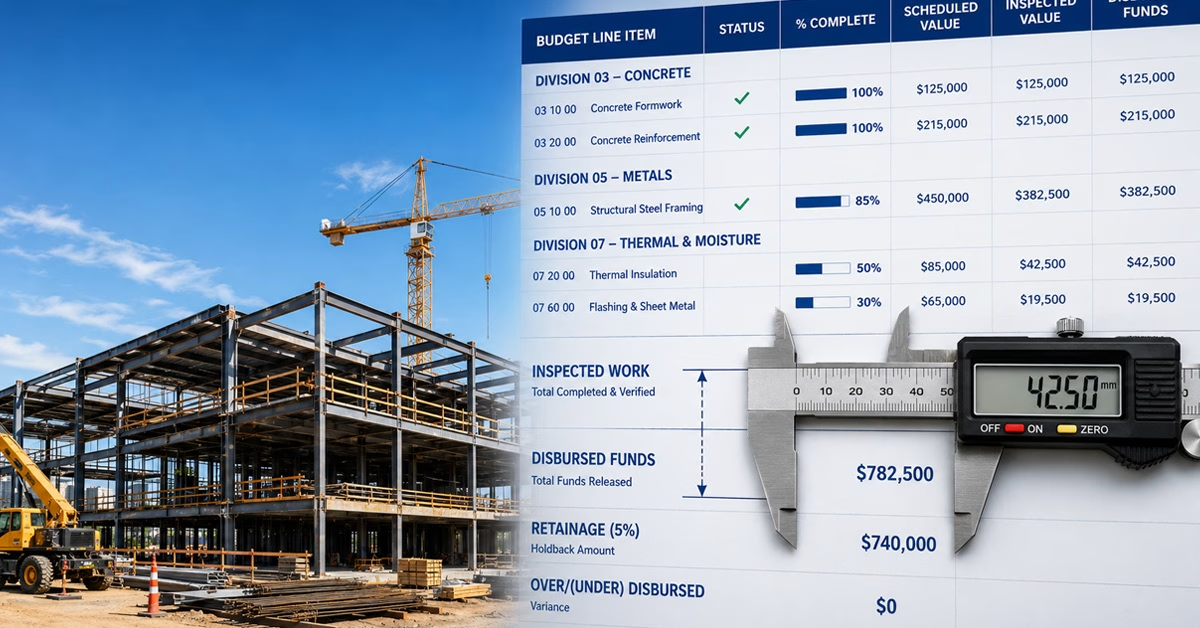
- Cross-checks estimates, invoices, lien waivers, and progress photos in real time.
- Routes only compliant line items for funding; flags anomalies instantly.
- Maintains an immutable, lender-ready audit trail on every draw.
Lenders tell us they’re now making defensible funding decisions in hours instead of days—while actually *reducing* exception rates.
3. Data-Driven Portfolio Oversight: Early-Warning Signals, Not Rear-View Mirror Reports
Budgets drafted even six months ago can become outdated quickly due to:
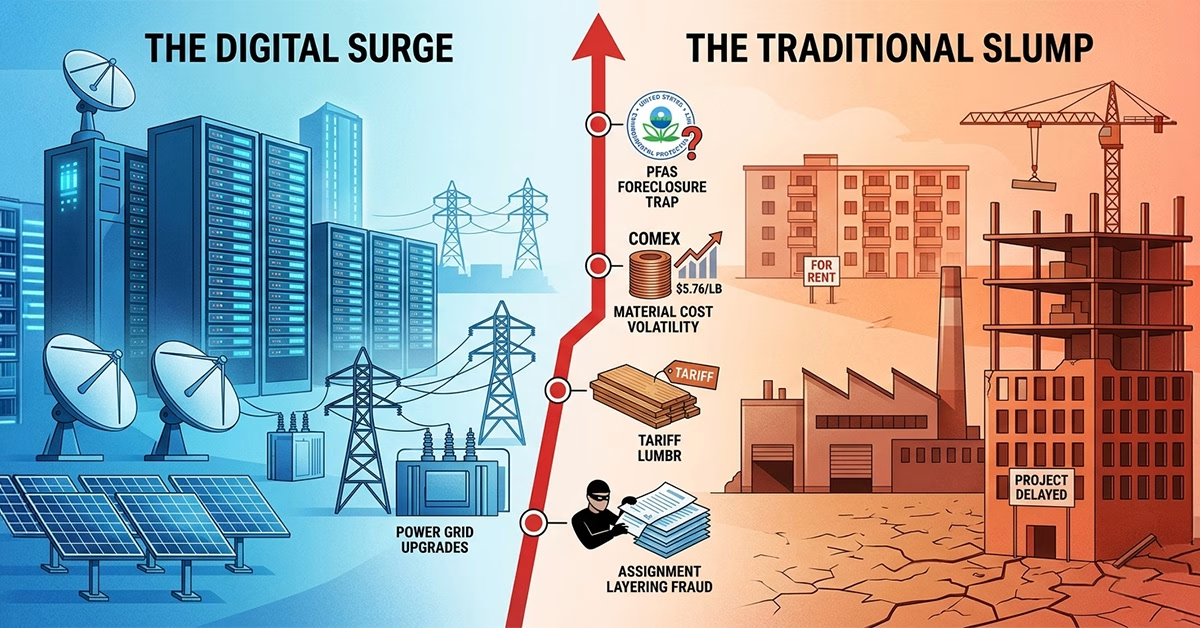
Tariffs and Material Costs: Ongoing trade policies continue pushing up prices for steel, copper, aluminum—often by 15-25% on key items.
Labor Shortages: The industry needs hundreds of thousands more workers annually, driving wage increases that are now baked-in realities.
Lenders should mandate sensitivity testing on every project budget: Model scenarios like a 10-15% rise in materials or labor. If the project’s projected profitability (measured by Net Present Value, or NPV—a calculation of future cash flows discounted to today’s value) turns negative under moderate stress, reconsider the deal.
Real Results from the Front Lines
The core goal of fund control is straightforward: Ensure funds reach the right people for the right work so the site doesn’t grind to a halt. A delayed payment to a key subcontractor can empty a site by Monday.
Effective approaches include:
- Proactive monitoring of progress rather than waiting for draw requests.
- Direct payments to major vendors in higher-risk scenarios to prevent diversion.
- Detailed auditing to confirm every dollar ties to completed, verified work.
The Bottom Line for 2026 and Beyond
A vague one-page report offers little protection. Strong inspection reports act like a bank’s remote eyes, including:
- Timestamped, location-verified photos (using geofencing to confirm the inspector was actually there).
- Verification of stored materials (ensuring they’re real, on-site, and intended for this project).
- Accurate percentage of completion based on actual work in place—not contractor estimates.
Ready to move from survival to scale?
For larger projects ($50M+), use a tiered contingency approach:
- Hard Costs (5-10%): For surprises like poor soil conditions.
- Soft Costs: For delays in permits or interest rate changes.
- Escalation Reserve: Dedicated funds for material/labor price swings
Case Study Example: A Texas warehouse project hit a sudden 30% steel cost spike mid-build. Because an escalation reserve was pre-allocated, the lender avoided re-approving the loan keeping the project on track without breaking momentum.